Sterling Communications SterlingPRIVATE.aiPrivate AI

Resources

Learn it here, use it at the office Monday

Newsletters, training material, and how-tos on putting AI to work in a business that handles confidential information — plus a plain-English glossary and a free AI governance guide for your staff.

August 17, 2026 · Briefing No. 7

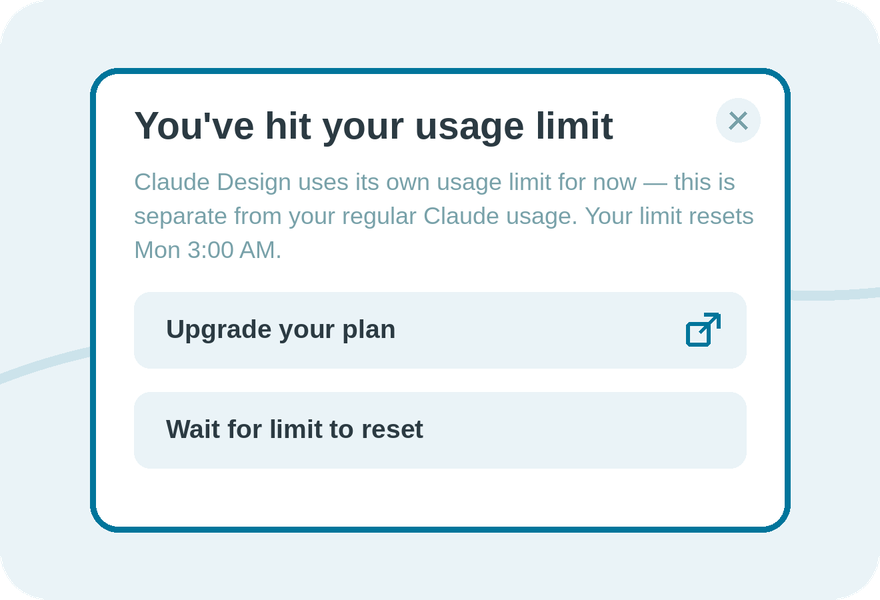
Why did my AI suddenly stop?

Five different limits can produce almost the same annoying message. Tokens, context windows, usage limits, spend limits, and rate limits — sorted out once, in plain English, so you know what to do the next time the AI just… stops.

Read more →

August 10, 2026 · Briefing No. 6

How to talk to your team about AI

Your people are already using AI — the only question is whether you're in the conversation. Three twenty-minute talks to have with your team, and why a one-page agreement beats a ban every time.

Read more →

August 3, 2026 · Briefing No. 5

Five jobs AI is ready to do for you today

No setup, no sensitive data, no learning curve. Five concrete jobs AI does well on day one — each with a prompt you can copy as-is. Try two this week.

Read more →

July 27, 2026 · Briefing No. 4

Treat everything AI writes as a first draft

Sooner or later AI hands you something confidently wrong. Here's why that happens — in plain English — and the four things to check before you send it, sign it, or bill from it.

Read more →

July 20, 2026 · Briefing No. 3

The four kinds of information in your office

Most AI worry comes from treating everything as equally risky. It isn't. A one-page way to sort what's fine for any AI tool from what needs more care — so the question “is AI safe for this?” mostly answers itself.

Read more →

July 13, 2026 · Briefing No. 2

Why is ChatGPT free?

Nobody runs a building full of supercomputers for charity. Two pages on how free AI actually pays for itself — training, ads, and the meter — and three five-minute habits for using it with your eyes open.

Read more →

July 6, 2026 · Briefing No. 1

How to ask AI for what you actually want

Most people type into AI the way they type into Google — a few keywords, hope for the best. That habit is the single biggest reason AI disappoints people. Two pages on what to say instead, with three before-and-after examples you can borrow this afternoon.

Read more →